 My Hydro Garden
As an Amazon Associate, we earn from qualifying purchases.
Vertical Farming
Stacked, vertical systems for growing more in less floor space.
2 products
Sort: Featured
Learn More About Vertical Farming
What Is Vertical Farming?
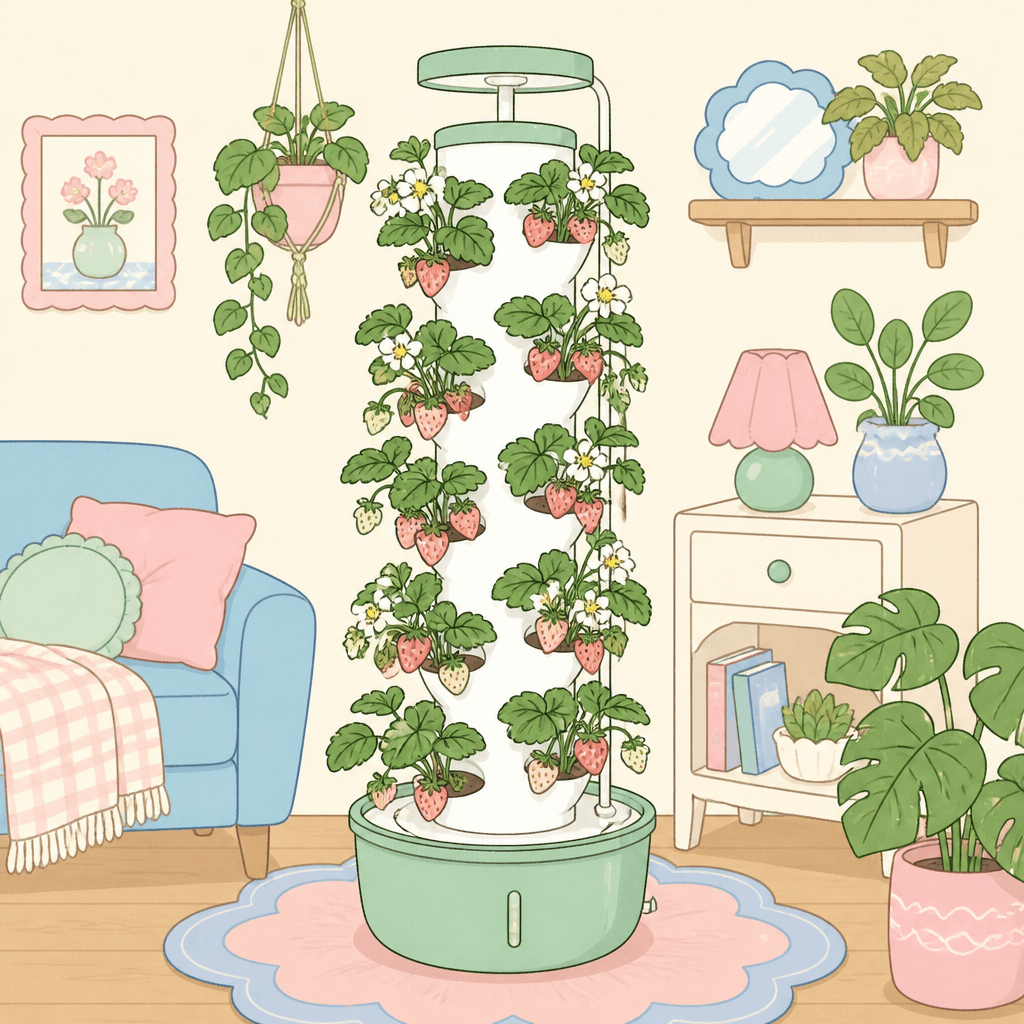
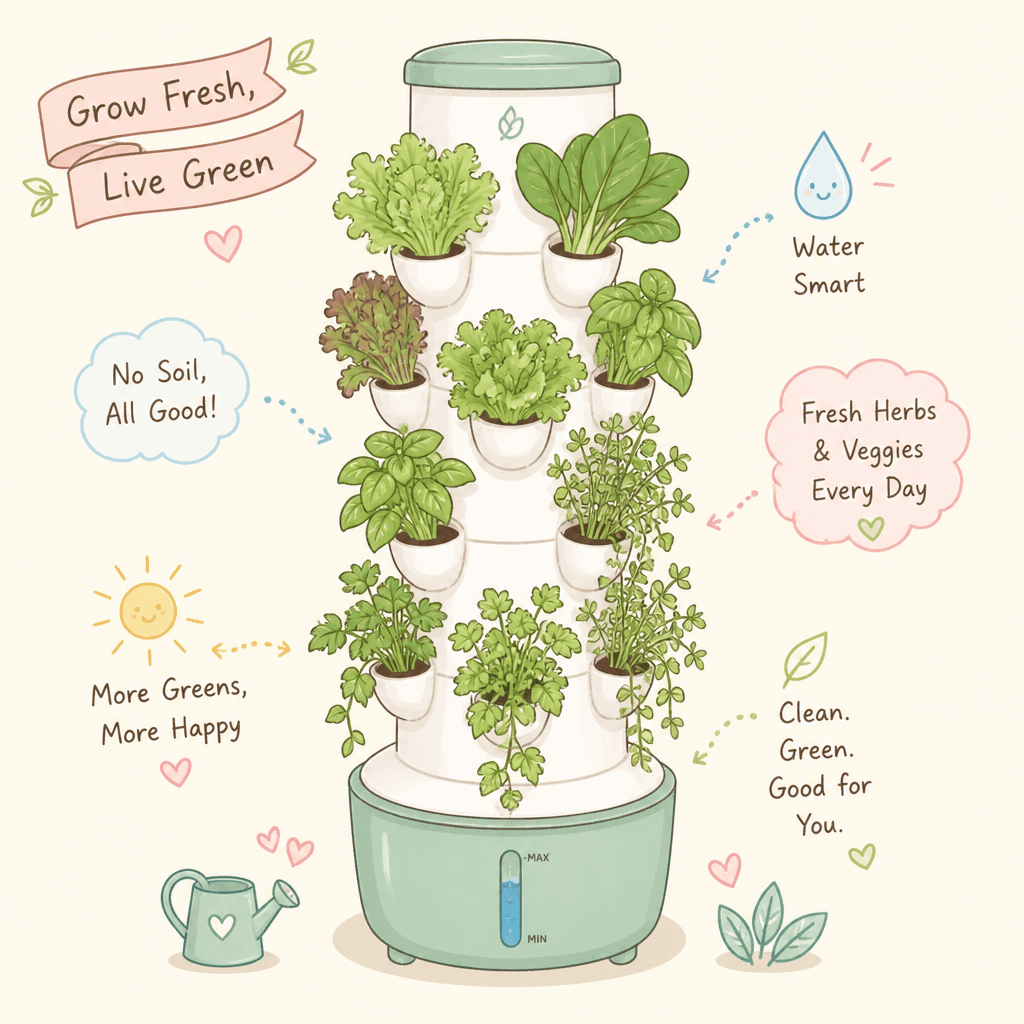
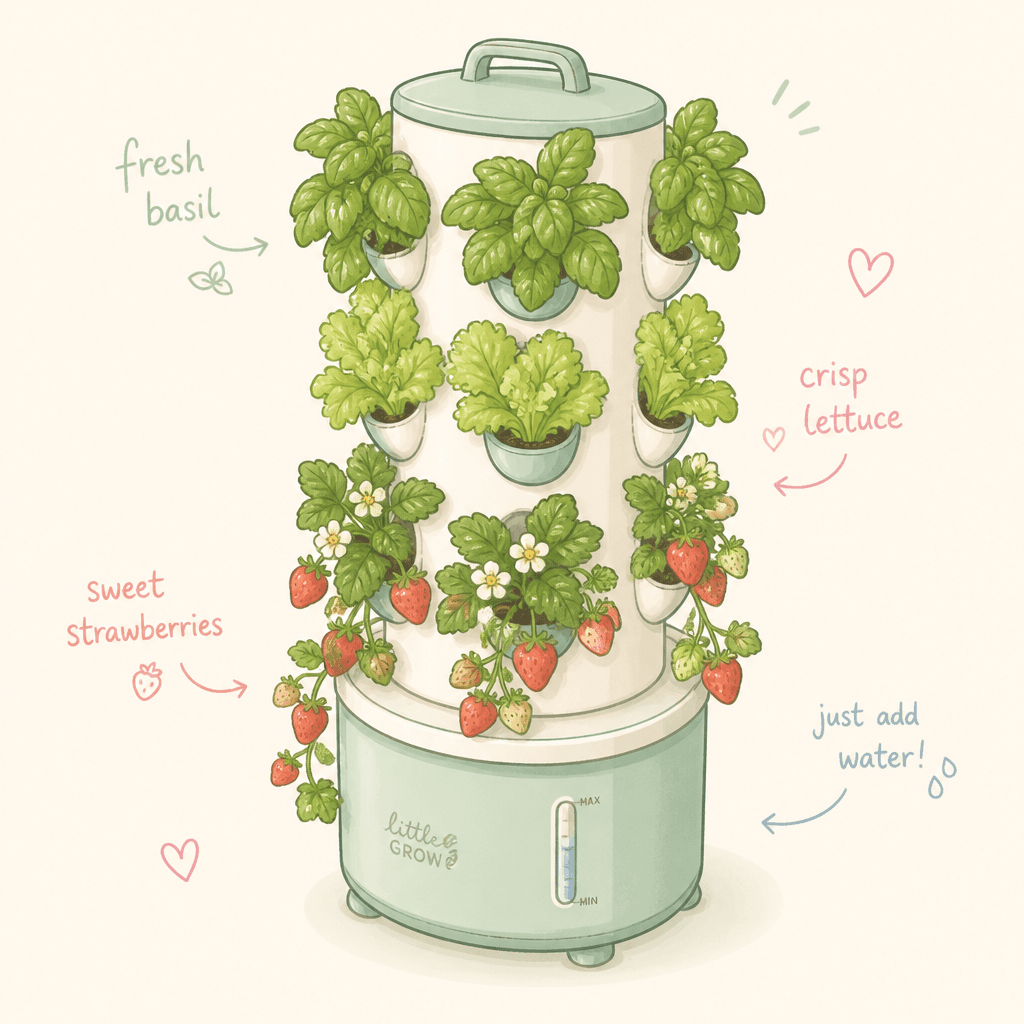
Vertical farming means growing plants in stacked layers instead of across a single flat plane, using tower systems, tiered shelving, or wall-mounted racks. It's the same idea used in large commercial growing operations, scaled down to a tower, carousel, or shelf unit that fits in a home. Most home systems need surprisingly little space: a 2-foot-diameter rotary carousel can hold 30-40 plants in about 3 square feet of floor space, and small tower gardens can work in as little as 4 square feet.
Benefits of Vertical Farming at Home
The main draw is space efficiency: growing up instead of out means more plants per square foot, which matters most in apartments and small yards. Because many vertical systems are hydroponic and recirculate their water in a closed loop instead of letting it drain into the ground, they also tend to use dramatically less water than soil gardening. Add in year-round indoor growing and less bending and kneeling than a ground-level bed, and it's easy to see why vertical systems have become a popular starting point for home growers.
How to Choose a System
Start with the space you actually have: a tower or carousel system fits in a few square feet, while a multi-tier shelving rack needs more clearance and benefits from higher ceilings. Decide whether you want an electric, aeroponic-style system with pumps, timers, and grow lights, or a simpler stacked-planter setup with no electronics to manage. Then match it to what you're growing — leafy greens and herbs thrive in almost any vertical system, while fruiting plants like tomatoes need bigger pockets and sturdier support.